
Quality in valve manufacturing depends on consistent processes, careful material selection, and detailed production standards. Every manufacturing stage contributes to creating products that deliver dependable operation, durability, and precise fluid control. Following established guidelines helps maintain uniform performance while supporting efficient production. Understanding https://www.vincervalve.com/valve-standards-guide/ also highlights how standardized practices contribute to product reliability, dimensional accuracy, and long-term operational value.
- Selecting Suitable Materials for Manufacturing
Material selection plays an important role in determining valve strength, durability, and operating capabilities. Manufacturers benefit from evaluating material properties according to application requirements.
- Corrosion Resistance: Choose materials that support reliable performance in different operating environments.
- Mechanical Strength: Consider pressure tolerance, structural stability, and resistance to physical stress.
- Temperature Compatibility: Ensure materials maintain their properties across expected temperature ranges.
- Material Consistency: Maintain uniform quality through appropriate inspection and verification procedures.
- Application Suitability: Match material characteristics with the intended fluid and operating conditions.
Careful material evaluation creates a strong foundation for dependable manufacturing outcomes.
- Maintaining Precision Throughout Production
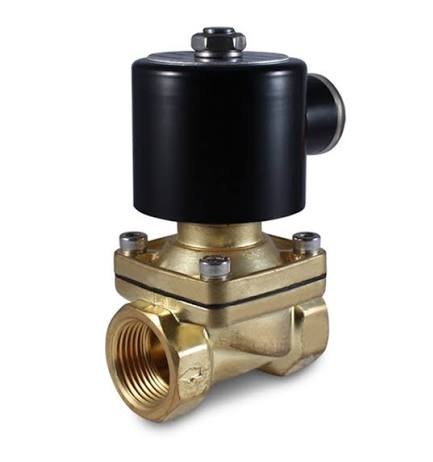
Accurate manufacturing processes help ensure that every valve component meets its intended specifications. Consistency across production activities supports smooth assembly and dependable functionality.
- Dimensional Accuracy: Maintain precise measurements for essential components and connection points.
- Machining Control: Follow consistent production methods to achieve accurate component shapes.
- Surface Finishing: Maintain suitable surface quality to support effective sealing and component interaction.
- Assembly Alignment: Ensure individual parts fit correctly for balanced mechanical operation.
- Production Monitoring: Review manufacturing stages regularly to maintain consistent output quality.
These practices contribute to improved product uniformity and dependable operational performance.
- Following Inspection and Testing Guidelines
Inspection and testing provide valuable opportunities to verify product quality before completed valves move forward. A structured approach helps confirm that manufacturing requirements are consistently achieved.
- Visual Inspection: Examine components for surface irregularities and finishing consistency.
- Pressure Testing: Verify the valve’s ability to handle its intended operating pressure.
- Leakage Testing: Evaluate sealing performance to support effective fluid containment.
- Functional Testing: Check opening, closing, and control responses under suitable conditions.
- Documentation: Maintain inspection records for traceability and quality monitoring.
Regular verification strengthens production confidence and supports consistent product performance.
- Strengthening Quality Through Continuous Improvement
Long-term manufacturing quality benefits from organized workflows, employee awareness, and regular process evaluation. Continuous improvement encourages manufacturers to refine existing methods while maintaining established production requirements.
- Workforce Training: Help employees understand manufacturing procedures and quality expectations.
- Equipment Maintenance: Keep production machinery properly maintained for consistent operation.
- Process Standardization: Establish repeatable procedures across different manufacturing stages.
- Supplier Evaluation: Review incoming materials to maintain dependable component quality.
- Performance Reviews: Assess production results and identify opportunities for improvement.
A quality-focused working environment encourages accountability and supports efficient manufacturing activities.
Conclusion
Consistent valve manufacturing quality comes from combining suitable materials, precise production techniques, effective inspections, and continuous improvement. Applying these guidelines helps create durable products with dependable functionality and consistent operating characteristics. Clear procedures also support better coordination, improved productivity, and reliable quality management throughout production. Maintaining awareness of established standards encourages manufacturers to strengthen their processes and achieve lasting results. With a commitment to quality and continuous development, https://www.vincervalve.com/fr/ can serve as an additional reference when exploring valve-related information and manufacturing considerations.