
Maintaining a healthy indoor environment is an important part of creating comfortable, sustainable, and well-protected properties. Building owners increasingly recognize the value of addressing underground vapor movement through carefully planned environmental protection measures. Effective vapor intrusion solutions help manage the movement of soil gases and reduce their potential entry into occupied indoor spaces. By combining reliable engineering methods, suitable protective materials, and consistent maintenance, properties can benefit from improved indoor air quality and dependable long-term performance. A proactive approach also supports building durability while creating healthier surroundings for occupants.
Understanding the Importance of Vapor Intrusion Management
Vapor intrusion management involves identifying potential pathways through which underground gases may enter buildings and implementing appropriate measures to control their movement. A well-designed approach provides several valuable benefits:
- Healthier Indoor Environments: Appropriate mitigation methods help reduce unwanted vapor entry and support better indoor air conditions.
- Improved Building Protection: Protective systems strengthen environmental safeguards around foundations and occupied spaces.
- Enhanced Occupant Comfort: Consistent indoor conditions contribute to pleasant and comfortable everyday experiences.
- Long-Term Property Value: Preventive environmental measures support responsible property management and lasting building performance.
- Greater Environmental Awareness: Regular assessments encourage informed decisions about indoor environmental conditions.
Practical Solutions Supporting Effective Mitigation
Modern vapor intrusion solutions combine different engineering techniques to create dependable protection. Selecting suitable methods according to building characteristics helps establish effective and sustainable results.
Important solutions include:
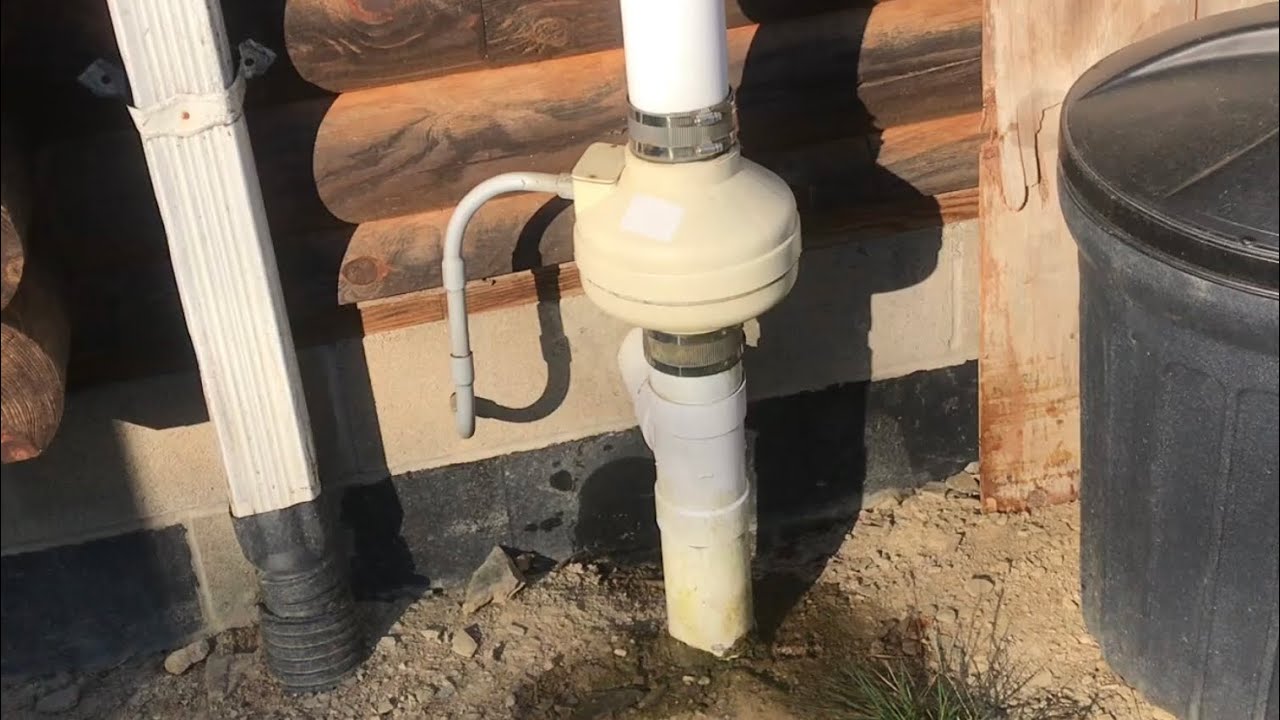
- Sub-Slab Depressurization: This technique uses specialized ventilation equipment to manage pressure beneath foundations and redirect unwanted vapors.
- Protective Vapor Barriers: Durable barrier materials help minimize vapor movement through floors and foundation structures.
- Foundation Sealing: Closing suitable cracks, joints, and openings helps reduce potential entry pathways.
- Mechanical Ventilation: Properly designed ventilation systems support controlled airflow and improved indoor environmental conditions.
- Environmental Monitoring: Periodic testing provides useful information about indoor conditions and system performance.
- Integrated Protection Systems: Combining suitable techniques creates a coordinated approach to building protection.
Planning and Maintaining Long-Term Performance
Effective implementation begins with understanding the property’s foundation design, environmental conditions, and construction characteristics. Thorough assessments help determine appropriate mitigation strategies while supporting efficient installation and reliable operation.
Property owners can strengthen ongoing performance through several practical activities:
- Arrange regular inspections of installed mitigation equipment.
- Maintain ventilation components according to recommended schedules.
- Examine accessible foundation areas for potential openings.
- Monitor system operation and document important observations.
- Address maintenance requirements promptly to preserve effectiveness.
- Review protection measures whenever significant building modifications occur.
Access to relevant technical guidance can also support informed planning, and property owners may visit website resources offering additional information about modern mitigation techniques and protective building practices.
Creating Healthier Properties Through Proactive Protection
A successful vapor intrusion strategy combines thoughtful preparation, suitable technology, and consistent attention to maintenance. These measures encourage better indoor environmental conditions while supporting structural reliability and responsible property management.
By prioritizing effective mitigation, building owners can create comfortable spaces, strengthen environmental safeguards, and support sustainable property performance. Continued investment in preventive solutions helps establish healthier indoor environments and lasting confidence in building protection.